
Description
Product Description
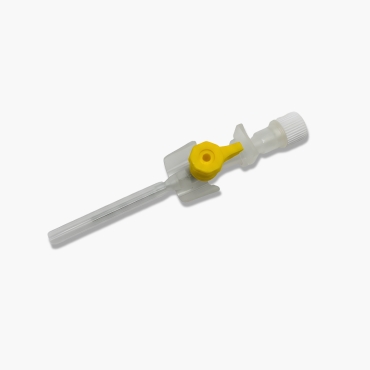
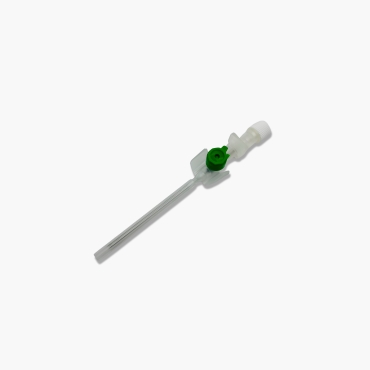
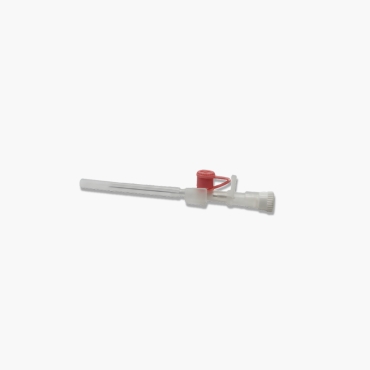
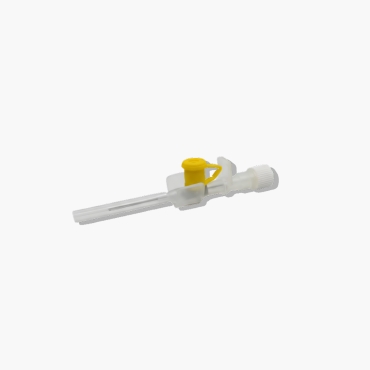
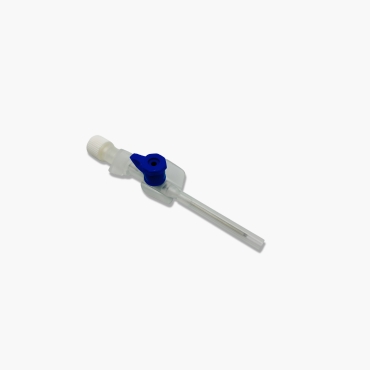
The Angiplast IV Cannula is designed for safe and efficient peripheral venous access. Each cannula features a precision-ground needle for smooth insertion, reducing patient discomfort. The transparent flashback chamber provides immediate visual confirmation of successful venipuncture, while the integrated injection port allows for needle-free medication administration.
- Key Features:
- Color-coded by gauge size
- Ultra-sharp tri-bevel needle
- Transparent flashback chamber
- Integrated injection port
- Smooth PTFE catheter
- Wings for secure fixation
- Available Sizes:
- 24G (Yellow) – Pediatric, neonatal
- 22G (Blue) – Pediatric, elderly, small veins
- 20G (Pink) – Standard adult use
- 18G (Green) – Trauma, surgery, rapid infusion
- 16G (Grey) – Emergency, blood transfusion
Specifications:
- Catheter Material: Biocompatible PTFE (Polytetrafluoroethylene)
- Needle: Stainless steel, silicon coated
- Hub: Medical-grade polypropylene
- Injection Port: Latex-free rubber
- Sterilization: ETO
- Shelf Life: 5 years
How to Use
Step 1: Patient Preparation
Identify the appropriate vein and clean the insertion site with antiseptic solution. Allow to dry completely. Apply tourniquet 4-6 inches above the insertion site.
Step 2: Cannula Selection
Choose the appropriate gauge based on patient condition and therapy requirements. Smaller gauges (22G-24G) for pediatric and fragile veins, larger gauges (18G-20G) for rapid infusion.
Step 3: Insertion
Remove the cannula from sterile packaging. Hold the cannula at 10-30 degree angle with bevel up. Insert smoothly into the vein. Watch for blood flashback in the transparent chamber confirming successful entry.
Step 4: Advancement
Once flashback is seen, lower the angle and advance the catheter over the needle into the vein. Never reinsert the needle once the catheter is advanced to prevent catheter damage.
Step 5: Securing
Remove the tourniquet. Withdraw the needle completely while applying gentle pressure above the catheter tip. Attach the IV line or cap. Secure with transparent dressing and note the date and time.
Step 6: Monitoring & Removal
Monitor the site regularly for signs of infiltration, phlebitis, or infection. Change as per your facility protocol (typically 72-96 hours). For removal, use sterile gauze and apply pressure after withdrawal.
Who Is This For?
Emergency Departments
Rapid vascular access for trauma patients, fluid resuscitation, and emergency medications.
Hospital Wards
Routine IV therapy for hydration, medication administration, and blood transfusions.
Operation Theaters
Anesthesia administration and intraoperative fluid management.
Outpatient Clinics
Short-term infusions, chemotherapy, and outpatient procedures.
Ambulances & Paramedics
Pre-hospital emergency care and patient stabilization during transport.
Home Healthcare
Patients requiring home IV therapy under medical supervision.
Benefits
Patient Comfort
Ultra-sharp tri-bevel needle minimizes insertion pain and tissue trauma. Smooth PTFE catheter reduces vein irritation during extended use.
Clinical Confidence
Transparent flashback chamber provides immediate visual confirmation of successful venipuncture, reducing failed attempts.
Versatile Access
Integrated injection port allows needle-free medication administration without disconnecting the main IV line.
Reduced Complications
Smooth catheter surface and biocompatible material minimize thrombophlebitis and infiltration risks.
Color-Coded System
Universal color coding ensures quick identification of gauge size, especially critical in emergency situations.
Secure Fixation
Flexible wings provide multiple fixation options for different anatomical sites and patient movements.
Product Life Cycle
Manufacturing: Precision-molded components assembled in Class 10,000 clean room
Quality Testing: 100% inspection for sharp needle points, smooth catheter surface, and leak-free hubs
Sterilization: ETO gas sterilization with aeration cycle
Packaging: Individual sterile peel-pack with clear labeling
Storage: Store in cool, dry conditions (15-30°C) away from direct sunlight
Usage: Single-use device – NEVER reuse
Disposal: Dispose of needle and catheter in sharps container immediately after removal
Shelf Life: 5 years from manufacturing date
FAQs
Q: Which size should I use for adult patients?
A: For routine IV therapy in adults, 20G (pink) or 22G (blue) are most common. Use 18G (green) for rapid fluid resuscitation or blood transfusions. Choose 22G or 24G for elderly patients or those with fragile veins.
Q: Can I reinsert the needle after removing it?
A: Never reinsert the needle once it has been withdrawn from the catheter. This can shear the catheter material and cause catheter embolism.
Q: How long can an IV cannula stay in place?
A: Standard practice is to replace peripheral IV cannulas every 72-96 hours to reduce infection and phlebitis risk. However, follow your facility’s specific protocols.
Q: What should I do if there’s no blood flashback?
A: Absence of flashback may indicate you haven’t entered the vein, the bevel is against the vein wall, or the vein has collapsed. Do not advance the catheter. Withdraw slightly or try repositioning.
Q: Is the injection port compatible with needleless systems?
A: Yes, our injection port is designed to work with both traditional needle access and needleless systems used in most hospitals.
Q: How do I prevent infiltration?
A: Secure the cannula properly with transparent dressing, monitor the site regularly, educate patients about movement restrictions, and assess for pain, swelling, or coolness at the site.
Q: Can I draw blood from the IV cannula?
A: While possible, it’s not recommended as it may cause hemolysis and affect lab values. Use the cannula for blood draws only immediately after insertion if necessary.
Q: What’s the difference between PTFE and polyurethane catheters?
A: PTFE catheters maintain consistent diameter and are more rigid, ideal for quick insertion. They have excellent biocompatibility and low friction coefficient.
Technical Specifications Table
| Size | Gauge | Color Code | Flow Rate | Typical Use |
| 24G | 24 | Yellow | 13-22 ml/min | Pediatric, Neonatal |
| 22G | 22 | Blue | 31-36 ml/min | Pediatric, Small veins |
| 20G | 20 | Pink | 54-62 ml/min | Standard adult |
| 18G | 18 | Green | 90-103 ml/min | Trauma, Surgery |
| 16G | 16 | Grey | 180-220 ml/min | Blood transfusion |
General Specifications:
- Catheter: PTFE (Polytetrafluoroethylene)
- Needle: Silicon-coated stainless steel
- Sterilization: ETO
- Shelf Life: 5 years
- Certifications: ISO 13485, CE Mark
Reviews
There are no reviews yet.